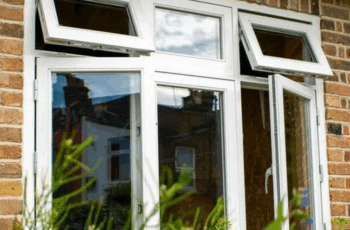
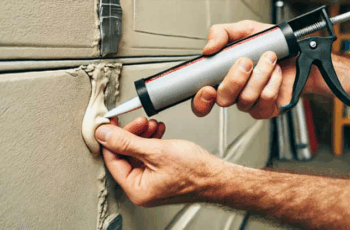
Then there’s the whole pest situation. Mice and insects love sneaking into warm places when it gets cold. You really don’t want to be sharing your weekend cabin retreat with uninvited guests. Seal up the usual entry points—around pipes, windows, and under doors—and keep firewood stored away from the walls. It might seem like a small thing, but it makes a big difference.
If you won’t be staying in the cabin all season, don’t shut the heat off entirely. Keep it at a low but steady setting, around 55°F. That way, you won’t come back to frozen pipes or cracked boards. And with all the smart thermostats out there now, you can keep an eye on things from anywhere, which is a nice bit of peace of mind.
The outside of your cabin deserves some attention too. Trim back nearby trees and clear away any junk or brush near the base of the building. Good drainage around your foundation helps keep water from soaking into the logs, which is something you definitely want to avoid when everything starts to thaw.
Even after you’ve done all the big prep work, don’t just forget about it. Every time there’s a big storm or heavy snow, take a few minutes to check around the place. A sagging roof or a damaged seal might seem like a small issue at first, but left alone, it can turn into a much bigger problem.
It’s also worth giving your logs some love before winter rolls in. A fresh coat of stain or wood preservative can help them fight off moisture and pests, especially in the cold months. Not only does it protect the surface, but it also keeps your cabin looking fresh and well-kept. That’s good for both the structure and the vibe.
Getting your cabin winter-ready might sound like a lot, but it really just comes down to care and attention. Check things out, seal what needs sealing, make sure the heat works, clear the roof and gutters, watch out for pests, and keep an eye on the place once the snow hits. It’s all doable, and it makes a huge difference.