Emotional attachments to items can make decluttering difficult. It’s normal to feel a tug when considering parting with things that hold memories or sentimental value. Taking it slow helps — you don’t have to clear everything out at once. Sometimes taking photos of items before letting them go can preserve memories without keeping the physical clutter. Writing down why something is meaningful or sharing stories about it with family can also ease the process.
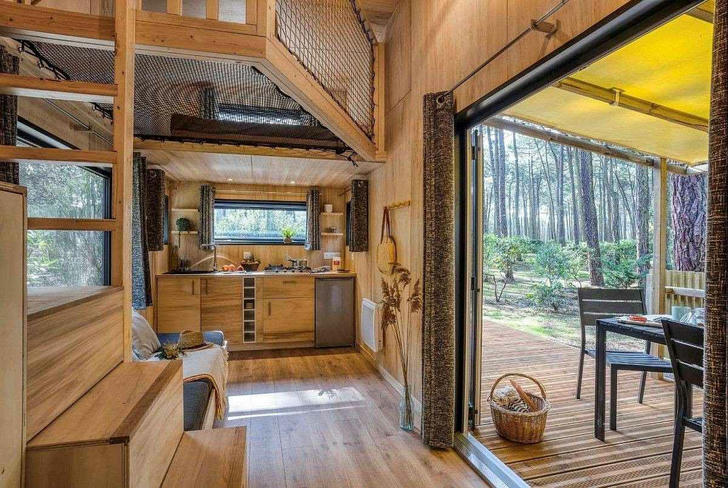
Keeping a small space tidy takes consistent effort. It’s helpful to build habits like putting things away immediately after use and spending just a few minutes daily tidying. Using baskets, bins, and organizers can keep small items neat and easy to find. A clutter-free cabin feels welcoming and safe, which adds to your overall peace of mind.
Minimalism also shifts your mindset. It’s easy to measure success by possessions, but in minimalist living, value comes from experiences, relationships, and personal growth. Many people who live minimally find that they appreciate moments more deeply — a sunset, a conversation, a quiet walk — because they aren’t distracted by material things.