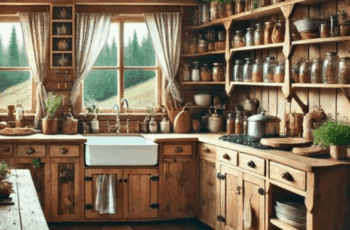
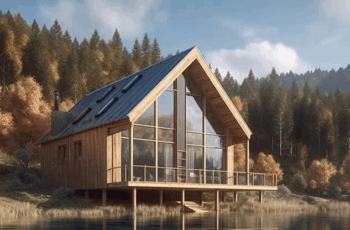
Now once you’ve got the land, the fun starts—designing your cabin. Most folks realize fast that bigger isn’t better. Smaller cabins are cheaper to keep warm, easier to maintain, and just make sense when you’re trying to simplify. Use local timber if you can. Stone and clay? Even better for keeping things steady through the seasons. Windows aren’t just for looking out—they’re heat collectors in winter and light bringers all year. Thoughtful placement matters more than fancy finishes.
Power is where it gets real. Solar is the go-to, of course, but don’t just throw up panels and hope for the best. Figure out how much energy you’ll really need—lights, tools, maybe a fridge—and size the system right. Battery storage is essential, unless you enjoy reading by candlelight on cloudy days. Wind and water can also pull their weight if conditions are right. And don’t feel bad about keeping a backup generator in the shed. It’s insurance, not failure.
Water’s got to come from somewhere. Wells are great if you can afford them. Rainwater catchment systems work surprisingly well too, especially with a decent filter setup. The less glamorous side? Waste. Composting toilets have come a long way—they’re efficient and way less gross than you’d expect. For greywater, rerouting sink and shower runoff to water plants or filter beds makes sense and reduces your footprint.
Heating your space without flipping a switch takes a little planning. Wood stoves still reign supreme—they’re reliable, cozy, and the fuel might be right outside your door. Good insulation is what makes that stove work smarter. On the flip side, cooling in hotter areas means designing for air flow. Big trees, deep eaves, clever window placement—these all help. Even partially sinking the structure into the ground can stabilize the temperature year-round.