One coat might be enough, but that depends on the wood and the stain. Some areas might soak it up like a sponge, while others don’t need much at all. Always read the product’s instructions. If a second coat is needed, let the first one dry thoroughly before going back in.
Next comes the sealant. Some stains already include sealing properties, so double-check your product before applying a separate sealant. If yours doesn’t, or if you want extra protection, a good clear water-repellent sealer is the way to go. Like with stain, apply it in small sections with a brush or sprayer. This part isn’t flashy, but it makes a huge difference. It helps your cabin stand up to rain, snow, sun, and even bugs.
Let everything dry. That can take a day or two, maybe more if the weather isn’t cooperating. Don’t rush it. Walk away and give the wood the time it needs to absorb and cure. When you come back, you’ll see the difference. The color will be richer, the wood will feel smoother, and you’ll know it’s better protected.
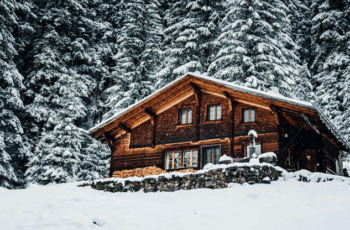
Taking care of a cabin doesn’t end after one sealing job. Wood is always moving—expanding, shrinking, reacting to the weather. That’s why it’s smart to check your cabin once a year. Look for signs of wear—fading, dryness, peeling. If the wood looks a little tired, that doesn’t always mean you need to redo everything. Sometimes just hitting the sunny side with a fresh coat of stain is all it takes.
Pay attention to the details too. Door frames, window trims, the bottom edges near the foundation—these spots tend to get missed but take the most beating. Water splashes, snow piles up, insects crawl in. Give those areas a little extra love when you’re doing your maintenance. They’ll last longer, and your whole cabin will look better for it.