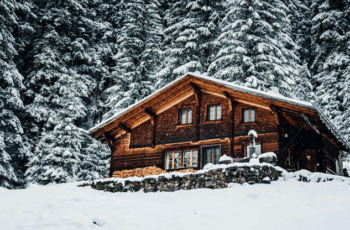
The idea here is simple: you can enjoy the rustic beauty of a log cabin without leaving a big environmental footprint. The good news? You don’t need to be an expert to make sustainable choices—you just need to know where to start. Let’s walk through the key things to think about if you’re serious about building a greener, smarter log home.
Start With Smarter Materials
Let’s talk wood. The type of logs you use makes a huge difference. Go with timber that’s sustainably harvested or reclaimed. Pine and cedar are good options, especially from certified forests or suppliers who follow responsible practices. It’s not just better for the planet—it’s better for the long-term strength and look of your cabin.
And it’s not just the logs. Insulation matters too. Traditional insulation materials can be full of chemicals and not-so-great for the environment. Instead, try natural or recycled alternatives like sheep’s wool or cellulose. They do the job just as well (if not better), and they’re much easier on the earth.
Even your roof can help. Think recycled metal, solar shingles, or even living roofs with plants growing on top. These not only look cool but also boost insulation, absorb rainwater, and cut down on heating and cooling needs.