Step 2: Choose the Right Location
Next up is picking the perfect spot. Think about what resources you’ll need—water access, timber, sunlight for solar panels. Check the land’s slope, drainage, and stability. Avoid places prone to floods or landslides. Don’t forget to research local building codes and zoning laws to steer clear of legal headaches.
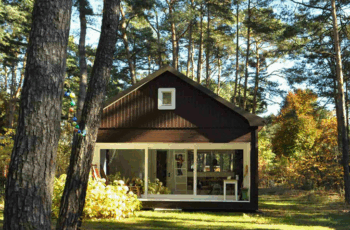
Mark from Washington State found a great spot near a lake and forest. He chose it because of nearby water, lots of sun, and a mild climate that would support solar power and year-round comfort.
Step 3: Create a Detailed Plan
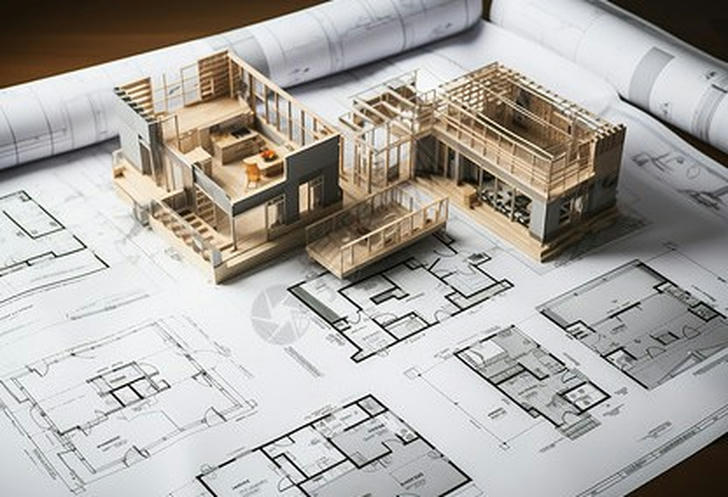
With your vision and location locked in, sketch out your cabin’s layout. How many rooms? Where do windows and doors go? Plan for maximum natural light and airflow. List the materials you’ll need—think locally sourced and eco-friendly to keep your footprint small. Budget carefully, including permits, materials, and labor, and always set aside extra funds for surprises.
Sarah and her friends drafted a plan for a two-bedroom cabin with an open kitchen and living space. They opted for reclaimed wood to save money and the environment, budgeting $20,000 with $5,000 tucked away for emergencies.